Chronic Nutrient Deficiency: The Hidden Cause of Fatigue, Weak Immunity and Poor Health
Are you getting all the nutrients your body needs? Many do not even if you eat “enough”. In today’s world, having enough calories does not always mean getting enough essential nutrients.
Despite abundant food supply, large segments of the population worldwide suffer from what experts call “hidden hunger” as a chronic shortage of vitamins, minerals and other micronutrients that many people do not even recognize.

- Recent global estimates find that over half of all people do not consume adequate amounts of essential micronutrients such as calcium, iron, vitamin C, vitamin E, and others. (1)
- In Europe including regions with modern food supply deficiencies in vitamin D, folate, calcium, iodine, selenium, and more remain common. (2)
- Experts describe this as a public-health crisis: even in relatively well-nourished societies, nutrient inadequacy remains widespread (3)
Why does this happen? Modern processed foods, industrial agriculture, chemical additives, and long supply chains often degrade the nutritional density of what we eat reducing vitamins, minerals, antioxidants and other beneficial compounds (4)
What Hidden Deficiency Can Look Like
When your diet lacks critical nutrients over time, the body often shows subtle yet serious symptoms long before obvious disease arises. Some possible consequences include:
- Constant fatigue, low energy, or occasional “brain fog”
- Weak immune system more frequent colds, slower recovery
- Skin, hair or nail issues (loss of vitality, dryness, slow healing)
- Poor digestive health, sluggish digestion
- Hormonal imbalance, mood fluctuations, reduced resilience to stress
- Long-term risk: impaired organ function (liver, gut, detox pathways), metabolic or immune disturbances
Because these symptoms are common and nonspecific, many people don’t link them to nutrient deficiency they just assume it’s “normal stress,” “aging,” or “busy life.”
Why Natural, Nutrient-Dense Sources Matter and What Makes Them Special
Given how widespread micronutrient deficits are, many nutrition experts and researchers are emphasising the role of whole-food sources and natural nutrient “banks” rather than relying solely on processed or fortified foods. (5)
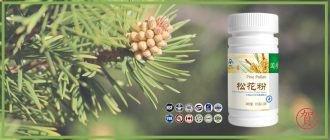
One especially interesting natural candidate is Pine Pollen (learn more) sometimes described as a “natural micronutrient bank.” Research shows that pine pollen contains a wide spectrum of bioactive substances:
- Proteins and a full range of amino acids, including all essential amino acids
- Minerals and trace elements important building blocks for bones, enzymes, hormones and cellular health.
- Vitamins, enzymes, flavonoids, antioxidants supporting detoxification, immune function, metabolic balance and protection against oxidative stress.
Because pine pollen is derived from trees (often growing far from industrial farms and heavy chemical use), it tends to have lower risk of pesticide residues or artificial additives offering a more “pure” nutrient source compared to many processed foods.
Moreover, preliminary pharmacological studies suggest that pine pollen may support immune regulation, antioxidation, liver protection, anti-inflammation, and even healthy metabolic and hormone balance.
- Just because we eat enough does not mean our bodies necessarily get all the nutrients they need deficiency in vitamins, minerals and other micronutrients remains common even in developed societies.
- Chronic nutrient shortfalls can quietly undermine energy levels, immunity, skin & hair health, digestion, hormone balance and over time contribute to deeper health problems.
- Natural nutrient-dense sources like pine pollen rich in amino acids, vitamins, minerals, antioxidants offer a promising, holistic way to help restore the balance that modern diets often disrupt.
- If you frequently feel fatigued, “off,” or just not at your best consider whether nutrient deficiency might be playing a role, and explore wholesome, rich-in-nutrients alternatives to highly processed food.
Do You Have Hidden Nutrient Deficiencies?
Take the Nutrient Deficiency QuizTake our 2-minute quiz and find out which areas of your body may be lacking support.
(5) Micronutrient inadequacy in Europe: the overlooked role of food supplements in health resilience.
Pine Pollen Quality You Can Trust
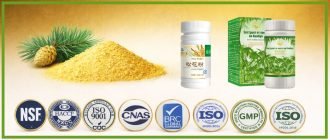
Our Pine Pollen is produced under internationally recognized quality and safety standards.
To understand what the certification marks on each box mean and why they matter to you:
👉 [read the full Quality & Safety Guide here].